
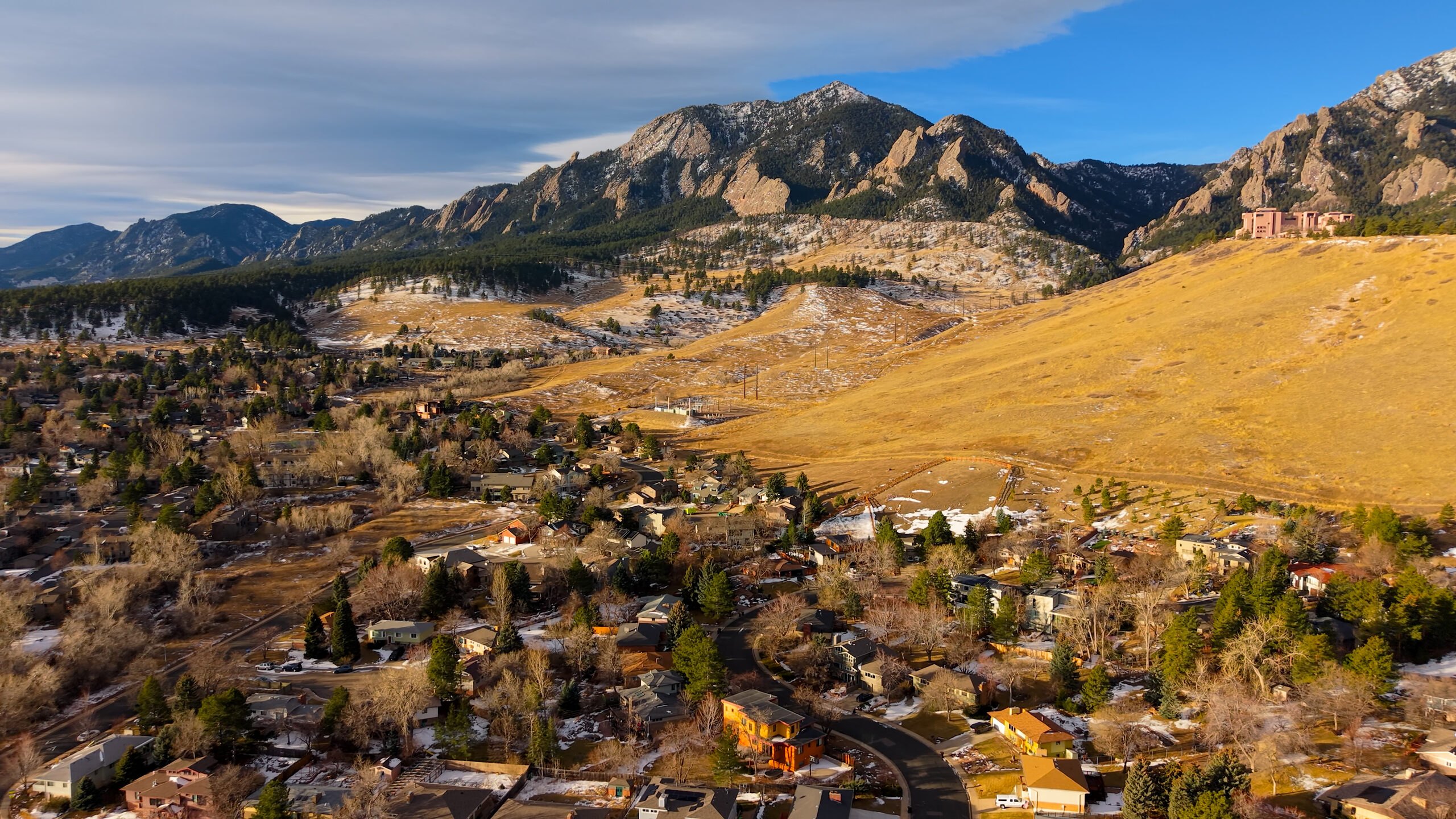
November has a particular feeling on the Front Range. The cottonwoods have dropped their leaves, the first snow has dusted the Flatirons, and the light comes in low and gold across the plains for most of the afternoon. It is also the time of year when the market slows down, open houses thin out, and many agents decide to rest their marketing until the spring.
I understand the instinct, and I also want to make the case for the opposite. The months between Thanksgiving and March are when the people who will list their homes next spring are deciding who to call, and the agents who stay present in their neighborhoods through the winter are the ones those homeowners remember. Here is what the numbers say, what the market is doing right now, and a few simple ways to stay visible in the communities you serve.
Most sellers choose their agent long before the sign goes in the yard, and they rarely shop around. In the National Association of Realtors' 2025 Profile of Home Buyers and Sellers, 37 percent of sellers found their agent through a referral from a friend, neighbor, or relative, and another 29 percent went back to an agent they had worked with before. The same report found that 80 percent of sellers contacted only one agent before deciding who to hire.
That means the decision is often made long before a homeowner picks up the phone. The family that lists their house in April has spent the winter noticing which agent seems to know their neighborhood, whose posts they keep seeing in the town's Facebook group, and whose name comes up when a neighbor asks for a recommendation. If you are present in their community through the quiet months, you are far more likely to be the one agent they call.
The community is also what buyers care about most. In that same NAR report, 59 percent of buyers named the quality of the neighborhood as the most important factor in their decision. When you spend the winter showing people what is beautiful about the neighborhoods you serve, you are building the exact kind of expertise that both buyers and sellers are looking for.
I receive listing alerts for every neighborhood in the Foothills Film + Footage Library, and over the last couple of weeks they have told a clear story. About half of the alerts I received were price reductions, in communities from Erie to Chautauqua. One seller in Lafayette is offering to pay down the buyer's mortgage rate for the first year, and one home near Chautauqua Park in Boulder dropped its price by more than three million dollars and moved to an auction.
Sellers who are offering incentives in November need agents who can help their listings stand apart, and the buyers who are out looking this time of year are usually shopping with real intent. Winter has long been a better season to sell than many people assume. When Redfin studied seven million home sales across 23 metro areas in 2016, it found that 17.5 percent of homes listed in winter sold above their asking price, compared with 18.7 percent in spring, which made winter the second-best season of the year to sell.
None of these ideas require a big budget or a new system. They simply ask you to keep showing up in the neighborhoods you focus your marketing on, which many agents call their farm.
1. Post about your neighborhoods on a steady rhythm. A single post each week is enough to keep your name in front of the people who live there. Share a short clip of the community with a few sentences about something that makes the season special, such as the first snow on the golf course, the holiday lights along Main Street, or the morning walk around the lake when the water has just begun to freeze.
2. Share community news in the town's Facebook group. These groups are where neighbors trade recommendations and talk about what is happening in town, and they have far more activity than most neighborhood pages. A post that celebrates the community, such as a winter view of the park where everyone sleds, feels like a neighbor sharing something lovely, and people remember who shared it.
3. Build a page on your website for each neighborhood you serve. The slow season is the perfect time to write a short guide to each of your communities, with the parks, the trails, the schools, and a few aerial clips that show buyers how it all fits together. These pages help you appear when someone searches for the neighborhood online, and they give AI search tools a clear, local source to point people toward when they ask about where to live.
4. Refresh your listing presentation before spring arrives. When a homeowner invites you over to talk about selling, the most persuasive thing you can show them is their own neighborhood, presented the way their buyers will see it. Adding aerial footage of the community to your listing presentation now means you will be ready the moment those spring conversations begin.
5. Plan your spring listings while you have time. If you already know a client is planning to list in March, winter is the time to schedule photography, video, and any custom shoots. Snowy mornings also make some of the most beautiful footage of the year, and a clip of a neighborhood under fresh snow can carry your social posts all season long.
McIntosh Lake in Longmont after a winter snow, with the frozen lake, the homes along the east shore, and Longs Peak on the horizon, in the horizontal format.
The Foothills Film + Footage Library holds aerial footage of more than fifty Front Range neighborhoods, from Loveland down to Denver, so you have something real and beautiful to share every week of the winter. Every clip and reel comes in both vertical and horizontal formats, so the vertical version is ready for your Reels and Stories and the horizontal version is ready for your website, your listing videos, and YouTube.
So much of what we scroll past now is AI-generated, and people can feel when a place is not real. The footage in the library was filmed over the actual streets, parks, and open space of each community, and that authenticity is exactly what helps a neighbor stop scrolling and recognize their own home.
If there is a neighborhood you farm that is not in the library yet, please tell me. I am adding new communities all winter, including snowy footage as the season arrives, and I would love to know where you are working. You can explore the library at foothillsfilmandfootage.com.
Yes. Many homeowners choose their agent months before they list, and most contact only one agent, so the agents who stay visible in a neighborhood through the winter are often the ones homeowners call in the spring.
Posting once a week is a realistic rhythm for most agents. Consistency matters more than volume, and a steady presence keeps your name familiar to the people who live in the communities you serve.
Community content works well between listings. Agents can share seasonal views of the neighborhood, local events, parks and trails, and short aerial clips that show what makes the community a lovely place to live.
Yes. Homes continue to sell through the winter, and buyers who shop this time of year are usually motivated. A Redfin study of seven million home sales found that winter was the second-best season to sell, just behind spring.

Kyra Coates is an FAA-certified drone pilot and long-time marketing and communications director in Longmont, and the founder of Foothills Film + Footage, an aerial footage library of Boulder County neighborhoods built to help agents market the places they sell.